Quiet Luxury You Can Take With You


Colors that Whisper, Not Shout
Texture as the New Ornament
Light as a Design Material

Peel-and-Stick That Looks Bespoke
Hardware Swaps without Holes
Layered Rugs, Layered Calm
Start with a flatweave jute or sisal base for texture, then top it with a smaller, dense wool rug for softness and sound absorption. Keep patterns tonal so layers feel unified, not busy. Rug pads are essential; choose felt for living rooms and thin rubberized mesh for runners. Align pile direction to the room’s main pathway for a subtle, tailored look. One couple reported that layering quieted neighbors’ footsteps and made movie nights feel cocooned, proving comfort and acoustics can be upgraded without touching the building.
Art You Don’t Have to Hang
Lean large-scale art on consoles and mantels, anchoring with museum putty to prevent slips. Oversized floor mirrors brighten small rentals by bouncing light, and they move easily when leases end. For gallery effect, use easels or floating shelves with a generous front lip to avoid fasteners. Keep frames minimal—thin wood, bone, or black—to let the image breathe. Rotate seasonally to keep the room feeling fresh without repainting. A well-placed leaning piece can look intentional, editorial, and wonderfully reversible, sparing your walls and your deposit.
Sofa Styling that Feels Considered
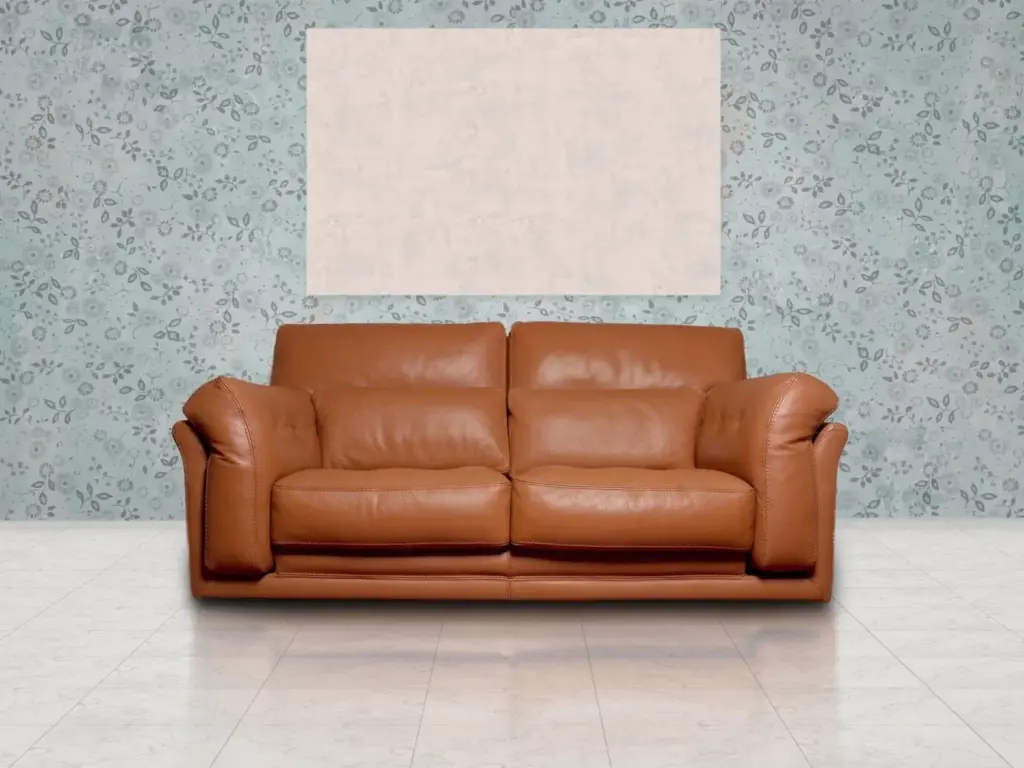
Choose two cushion sizes and three textures—linen, velvet, wool—to create depth without clutter. Keep colors within your palette so nothing shouts. A crisp throw folded lengthwise reads tailored; casually draped cashmere whispers ease. Add a low tray with a single candle, book, and match striker for understated ritual. If your sofa faces a blank wall, flank it with plug-in sconces on dimmers, cords neatly dressed. This quiet choreography says confidence, not noise, turning a standard rental layout into a calm, adult sanctuary.
Kitchen and Bath, Softly Elevated
Countertop Camouflage
Hide busy laminate with large, non-slip boards in oak or acacia that sit like slim butcher blocks. Group appliances on a stone-look tray so they read as one element, not clutter. Add a linen cafe curtain under the sink using a tension rod to conceal bins and cleaners. Choose cohesive containers for tea, salt, and utensils, keeping only daily-use items visible. When you leave, lift everything without residue, restoring the surface instantly. The illusion of custom millwork emerges from order, continuity, and beautifully handled edges.
Fixtures without Commitment
Elevate touchpoints you can pack. Weighted soap dispensers in brushed metal, matching toothbrush cups, and a slim, frameless shower caddy look intentional without permanent anchors. If leases allow, use quick-connect fittings for a handheld shower, saving originals in labeled bags. Swap cheap aerators for adjustable models to soften water streams. Finish families matter—repeat one metal across accessories to avoid visual noise. A reader upgraded to a warm brass set, and the entire bath felt designed, though nothing structural changed and every piece left with them on moving day.
Storage that Reads as Built-In
Choose freestanding shelves that fit alcoves precisely, then color-match backing boards to wall paint or cover with linen for a quiet, bespoke effect. Use lidded baskets for rarely used items and open trays for daily reach. In the bath, a slim étagère over the toilet can feel architectural when styled sparsely with rolled towels and a single orchid. Add felt feet and wall-safe straps for stability. The goal is disciplined editing, not more stuff—cabinets look custom when the eye encounters rhythm, negative space, and impeccable proportion.
Sound, Scent, and Ritual

Spend Where Touch Matters
Prioritize everyday luxuries: breathable linen sheets, dense bath towels, a supportive pillow, and a perfectly weighted throw. Upgrade a lamp you use nightly before buying another decorative object. Choose real wood for trays and picture frames so patina builds beautifully. If you swap hardware temporarily, pick solid metal that feels substantial in the hand, even if only you notice. Over a year, these contact points shape the experience of home far more than flashy, immovable upgrades you’d have to abandon at the end of the lease.
Secondhand, Authenticated, and Worth It
Quiet luxury loves provenance. Search vintage markets for wool rugs, solid-wood side tables, or mid-century lamps with updated, safe wiring. Inspect joints, backs, and undersides; a smooth drawer glide signals quality. Ask for documentation or maker’s marks when pricing climbs. Mix one storied piece with simpler, modern basics to avoid pastiche. A reader found a travertine pedestal listed poorly online, then styled it with a single bowl—instant editorial presence, fully portable, deeply sustainable, and quietly more satisfying than anything flat-packed for a single apartment’s dimensions.
Packable, Modular, Future-Proof
Choose modular shelving that reconfigures from narrow hallway to living room wall, and coffee tables with removable legs that slide into slim boxes. Measure elevator and stairwell clearances before you buy. Favor neutral upholstery that works across paint colors and light conditions, then layer personality with pillows and throws. Keep spare hardware, cord covers, and mounting kits in a labeled bin for the next place. When pieces adapt gracefully, moving feels like editing, not starting over—continuity that makes each new set of keys feel reassuringly familiar.

All Rights Reserved.