Serene Refinement: Apartment Makeovers in Quiet Luxury


Foundations of Understated Elegance
Palette, Texture, and Material Honesty
Proportion, Scale, and Negative Space
Pieces Worth Keeping, Pieces Meant to Disappear
Light That Whispers, Not Shouts
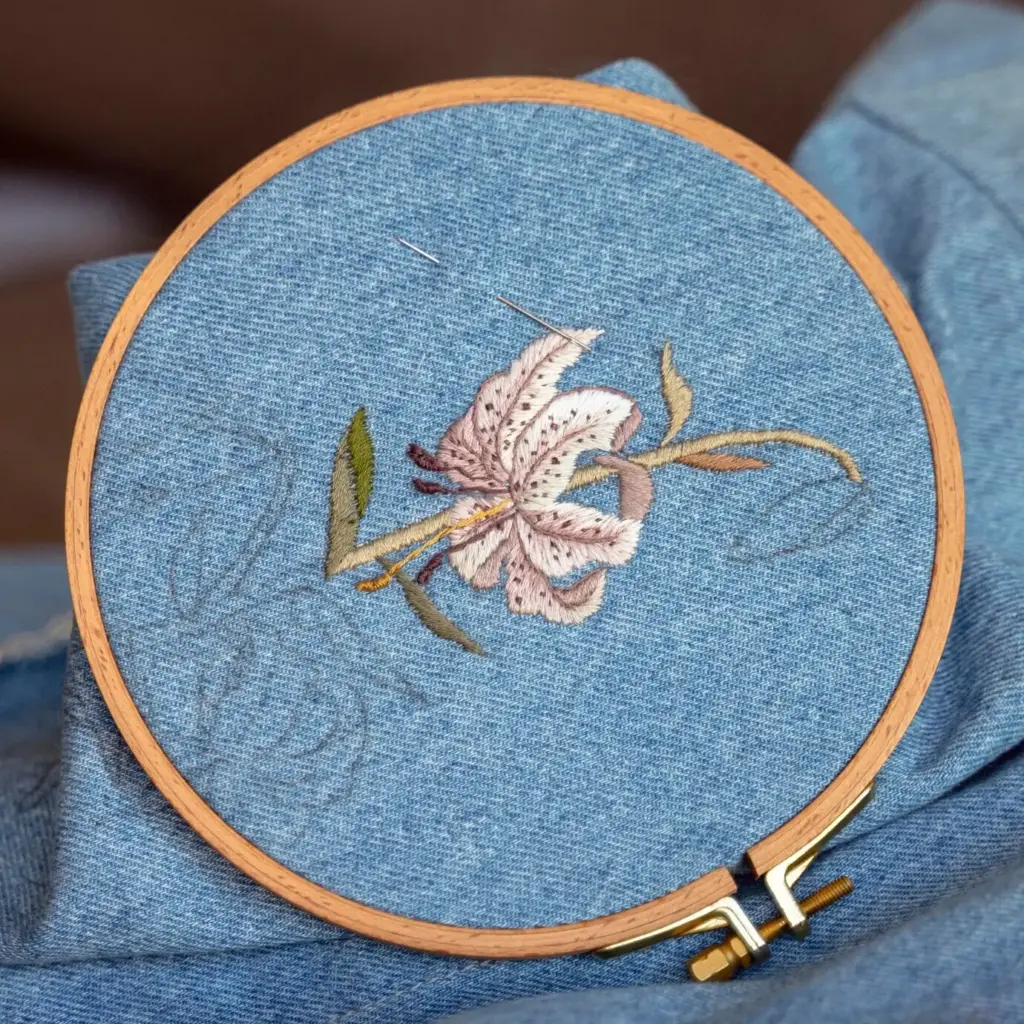
Layered Illumination with Human‑Friendly Warmth
Daylight, Sheers, and Privacy Without Gloom
Controls and Cables Hidden in Plain Sight

Quieting Echoes with Soft Surfaces
Layer textiles where hard surfaces dominate: a dense wool rug over acoustic underlay, floor‑to‑ceiling drapery, and upholstered dining seats that soften chatter. Add felt pads beneath furniture and weatherstripping at doors to reduce traveling noise. Books absorb surprisingly well, so a modest library wall helps, too. Choose softer paint sheens to prevent reflective glare. The cumulative effect lowers fatigue and increases focus. Your space becomes a refuge where voices sound warmer and music sits comfortably in the room.
Ergonomics, Cushion Fill, and Seating Depth
Balance sink‑in comfort with supportive structure. Test seat height against your leg length, minding lumbar support and armrest softness. Mix feather‑wrapped foam for resilience that rebounds without feeling rigid. Vary seating depths across the room so a guest can sit upright to chat or curl up to read. Use breathable covers—linen, cotton, wool blends—to avoid sticky surfaces. The aim is a rested body and relaxed posture, realized through small, thoughtful decisions rather than bulky, overstuffed silhouettes.
Air, Scent, and Invisible Wellness
Keep air quietly fresh with regular filter changes and mindful ventilation. Choose natural candles like beeswax and avoid heavy perfumes that fight the room’s calm. Diffuse gentle essential oils sparingly, favoring resinous woods or greens. Maintain humidity in a comfortable middle range so textiles feel pleasant year‑round. Open windows when weather allows, then close with lined drapery to preserve warmth. Subtle scent cues, clean air, and healthy materials create a space that relaxes your nervous system without fanfare.

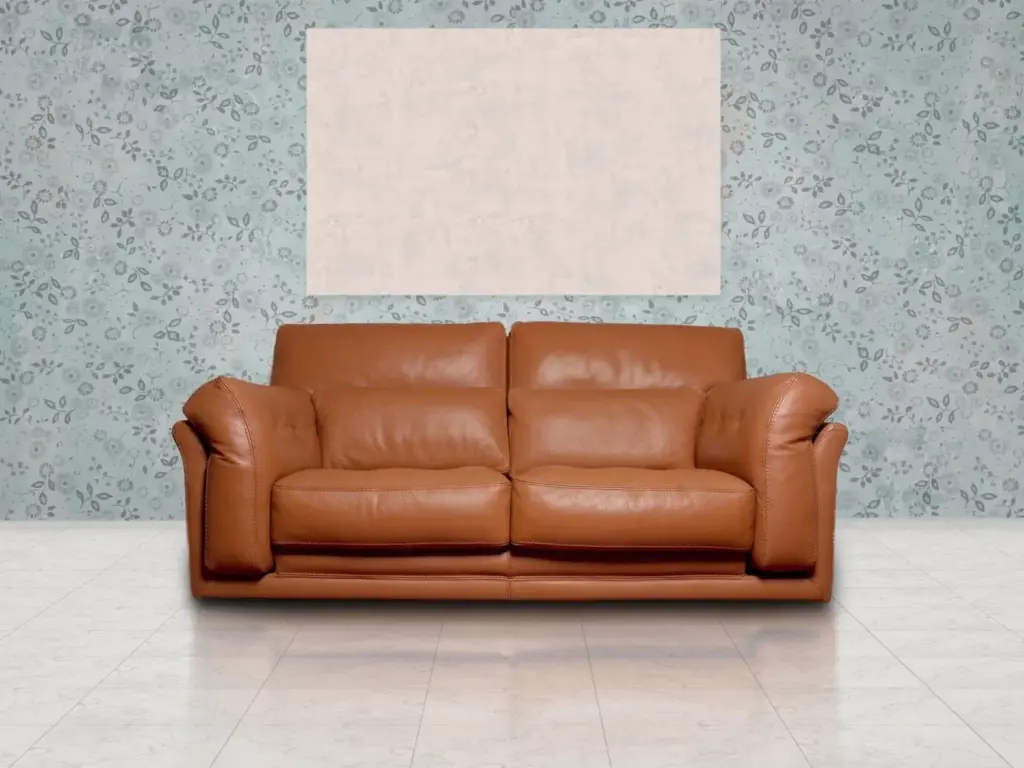
Storage That Disappears

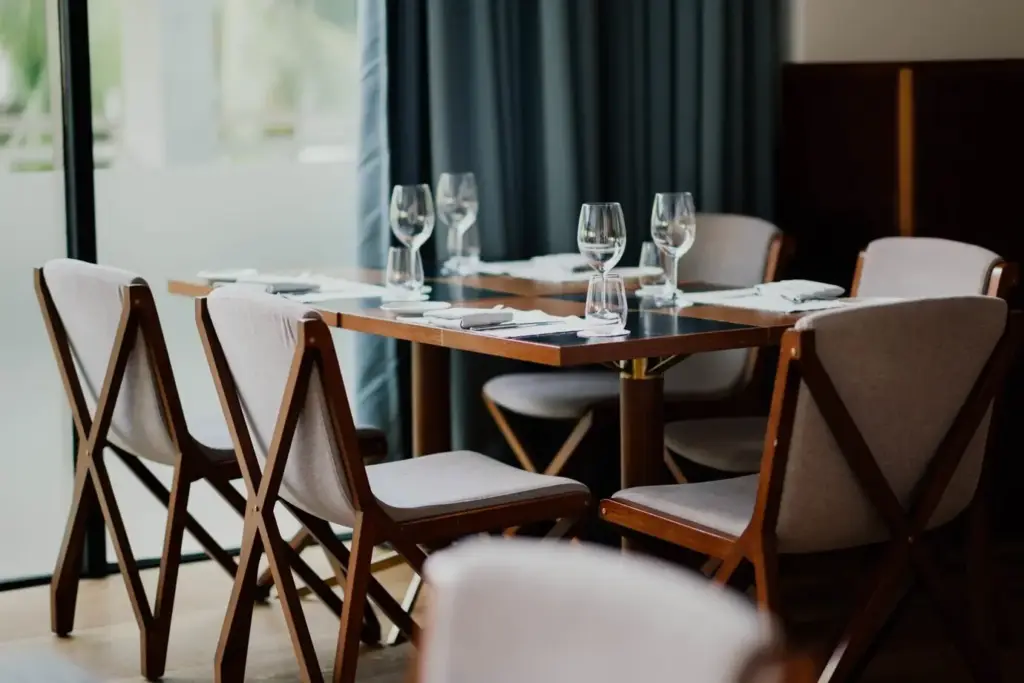
Art, Books, and Objects with Quiet Presence
Sustainability That Feels Luxurious
From Vision to Keys: Process and Community

All Rights Reserved.