Quiet Luxury in Compact Living
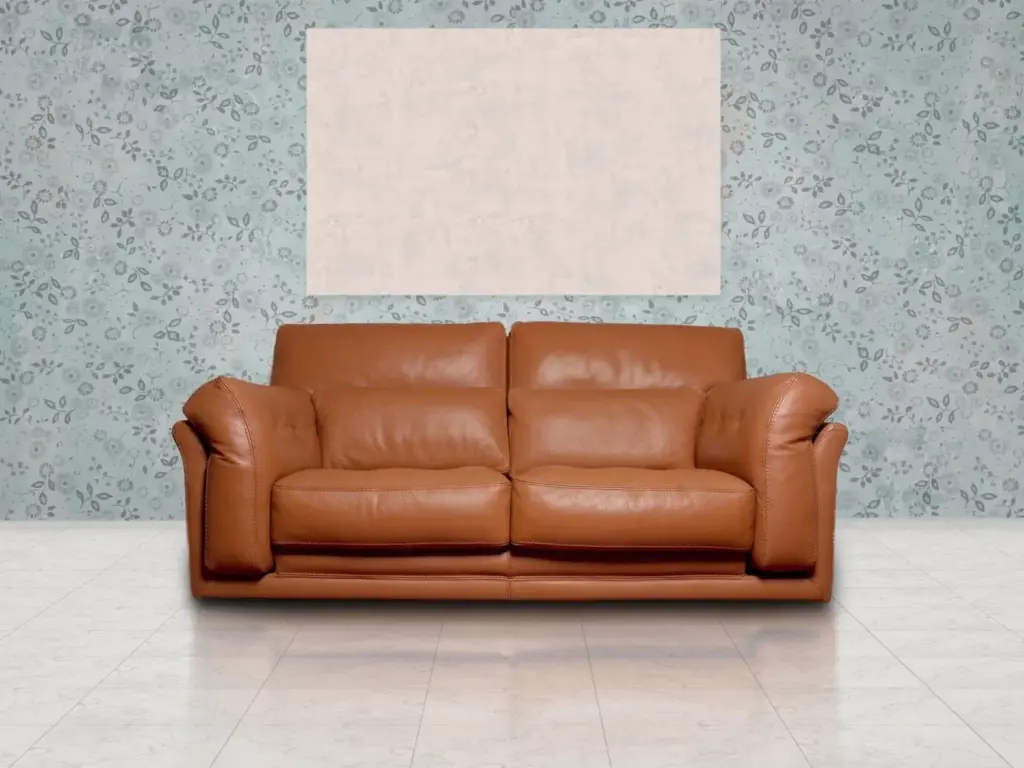


Flow-First Floor Plans
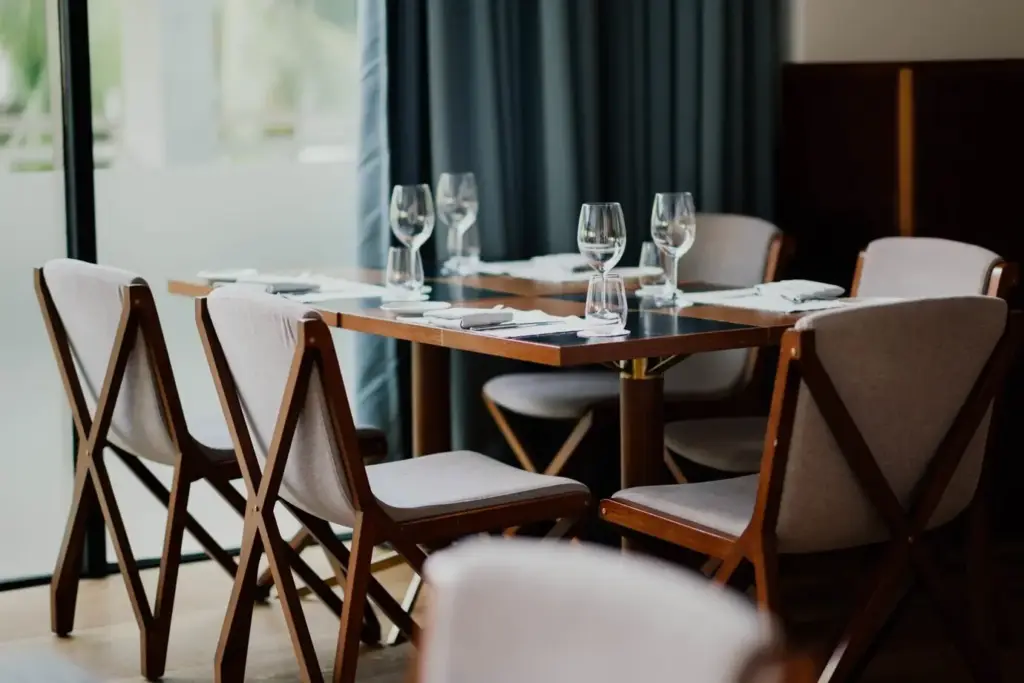
Materials That Whisper
Layered Light, Layered Calm
Ambient Foundations
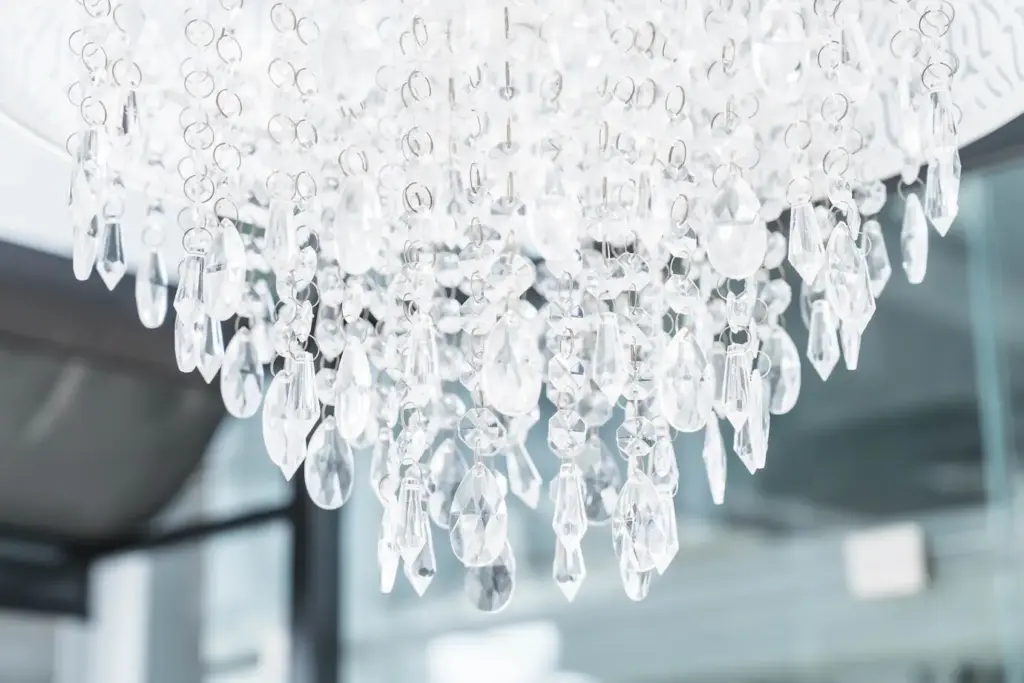
Start with a soft, indirect base: cove LEDs, shaded pendants, or a paper lantern. Aim for warm-white bulbs around 2700–3000K to avoid a clinical vibe. Even illumination helps a studio feel larger, while diffuse shadows wrap corners gently, letting textures and objects emerge quietly without hard edges or visual noise.
Focused Purpose
Task lighting clarifies action. A pivoting sconce at the headboard makes late reading effortless. Under-cabinet strips brighten prep zones without splashing the whole space. A slim desk lamp with low glare protects concentration. Each targeted beam supports a ritual, sharpening comfort and reducing the temptation to add unnecessary fixtures.
Accents With Restraint
Highlight a textured wall, stone plinth, or art piece with a narrow beam. One or two accents are enough in a studio; overdoing it breaks the calm. When a ceramic vase glows like a quiet hearth, the room gathers around it and feels thoughtfully edited rather than expensively crowded.

Tonal Neutrals With Nuance
Art That Breathes
Hidden Order, Effortless Living

Anchor Pieces First

Vintage, Refinished, Reimagined

Custom Without the Invoice
Your Plans, Our Eyes
Subscribe for Calm Improvements

All Rights Reserved.